
Online menu videos: benefits for restaurant success

TL;DR:
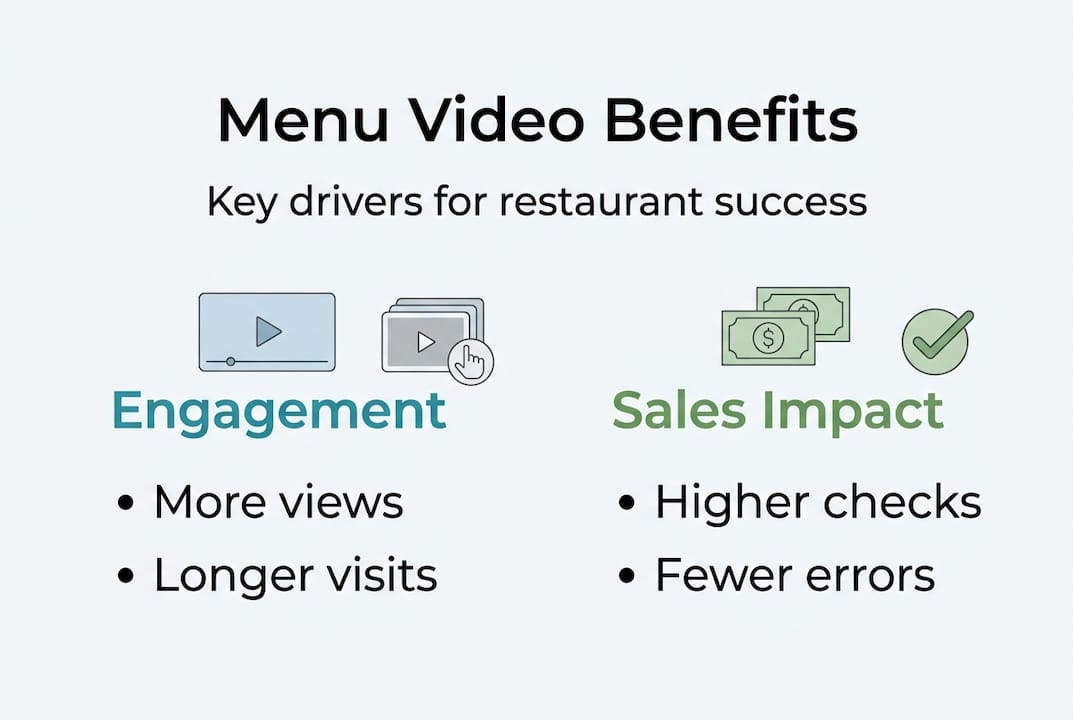
Online menu videos significantly increase guest engagement and boost sales through visual appeal.
Videos improve guest experience by enhancing clarity, accessibility, and confidence in ordering.
Strategic, ongoing management of menu videos maximizes long-term benefits and brand differentiation.
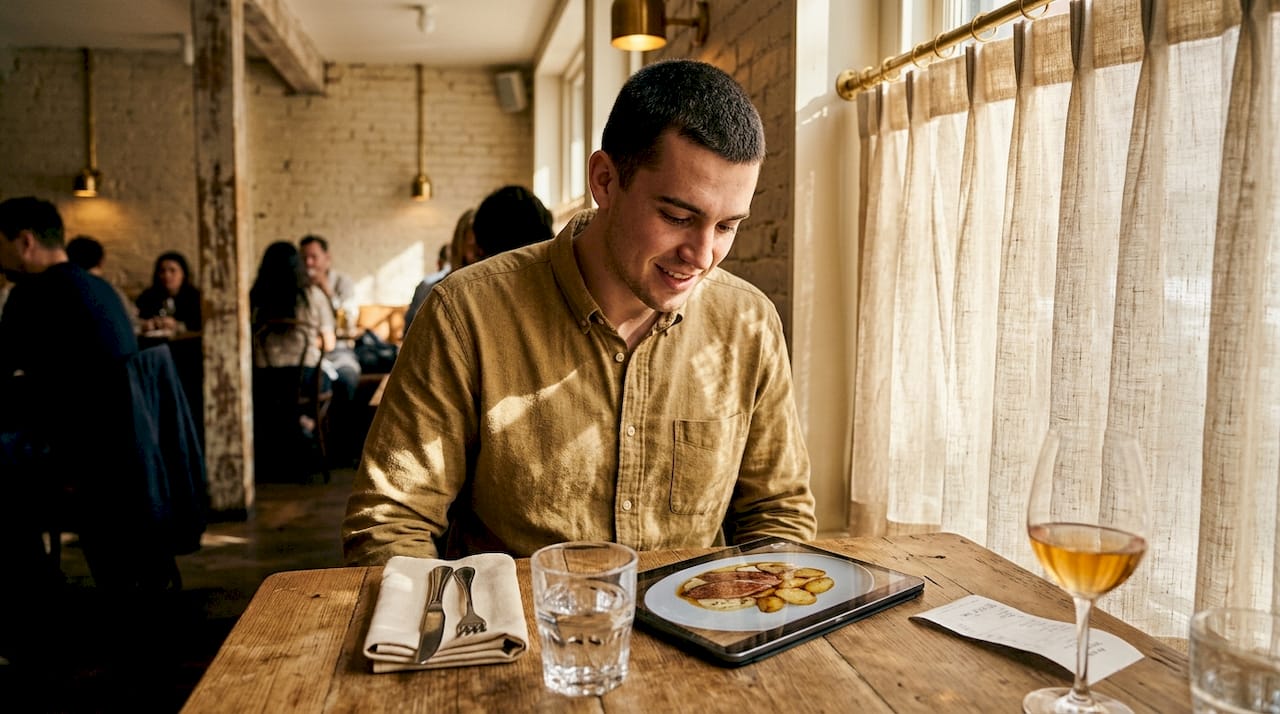
Picture this: a guest sits down at your bar, picks up a tablet, and within seconds, a rich, sizzling video of your signature wagyu burger fills the screen, with steam rising, cheese melting, and every glossy detail begging to be ordered. They haven’t spoken to a server yet. But they’ve already decided. That is the quiet power of online menu videos, and it’s reshaping how restaurants and bars compete, connect, and close more sales every single shift.
Table of Contents
Key Takeaways
Point | Details |
Drives higher engagement | Online menu videos increase guest interest and interaction far beyond traditional menus. |
Boosts sales | Video menus have been shown to improve upselling rates and average order values. |
Enhances accessibility | Videos make dish information clearer for guests of all backgrounds and abilities. |
Streamlines operations | Video menus reduce ordering errors and simplify staff training, saving time and effort. |
Why online menu videos are changing the dining experience
With the basics in mind, let’s explore what truly sets online menu videos apart from simple static or digital menus.
The post-pandemic hospitality landscape changed the rules fast. Guests now expect contactless, intuitive, and visually rich experiences from the moment they sit down. Digital menus have seen an 85% adoption rate post-COVID, signaling that the industry is no longer asking “should we go digital?” but rather, “how do we do it better?” For many forward-thinking operators, the answer lies in video.
Static menus, even well-designed digital ones, rely heavily on a guest’s imagination. A photo with a two-line description can tell you what a dish contains, but it can rarely tell you how it feels to eat it. Video bridges that gap in a way that turns browsing into an adventure. A guest watching a slow-pour cocktail video or a close-up of a perfectly seared duck breast isn’t just reading a menu. They’re experiencing the dish before it ever arrives at the table.
The difference between a text menu and a video menu isn’t just aesthetic. It’s strategic. Research into video menus in hospitality shows that dynamic visuals trigger emotional responses, increase perceived value, and influence ordering decisions more powerfully than static content. When guests can see the texture, color, and preparation of a dish, their confidence in ordering jumps significantly.
Feature | Text/Image menu | Online video menu |
Visual engagement | Low to moderate | Very high |
Emotional impact | Minimal | Strong |
Upselling potential | Limited | Significant |
Guest confidence in ordering | Moderate | High |
Accessibility for non-English speakers | Low | High |
Ability to highlight specials | Static | Dynamic and real-time |
“The future of dining doesn’t belong to the restaurant with the best chalkboard. It belongs to the one that makes every guest feel like they’ve already tasted the food before they order it.” This kind of thinking is driving a new generation of hospitality operators to invest in video menu technology with purpose and conviction.
Understanding this shift is the first step. Putting it to work for your sales is where things get exciting.
How online menu videos boost customer engagement and sales
Now that you know how video menus are different, let’s dig into how they directly influence customer behavior and your sales numbers.
The emotional pull of a well-produced food video is not just appealing. It’s profitable. When a guest watches a video of your truffle fries being plated, the brain registers visual cues that stimulate appetite and desire. This is what drives impulse orders, the last-minute “let’s add that” decisions that can significantly lift your average check size. Restaurants that implement visual content boosting sales strategies through video report meaningful improvements in both upsell rates and overall order value.
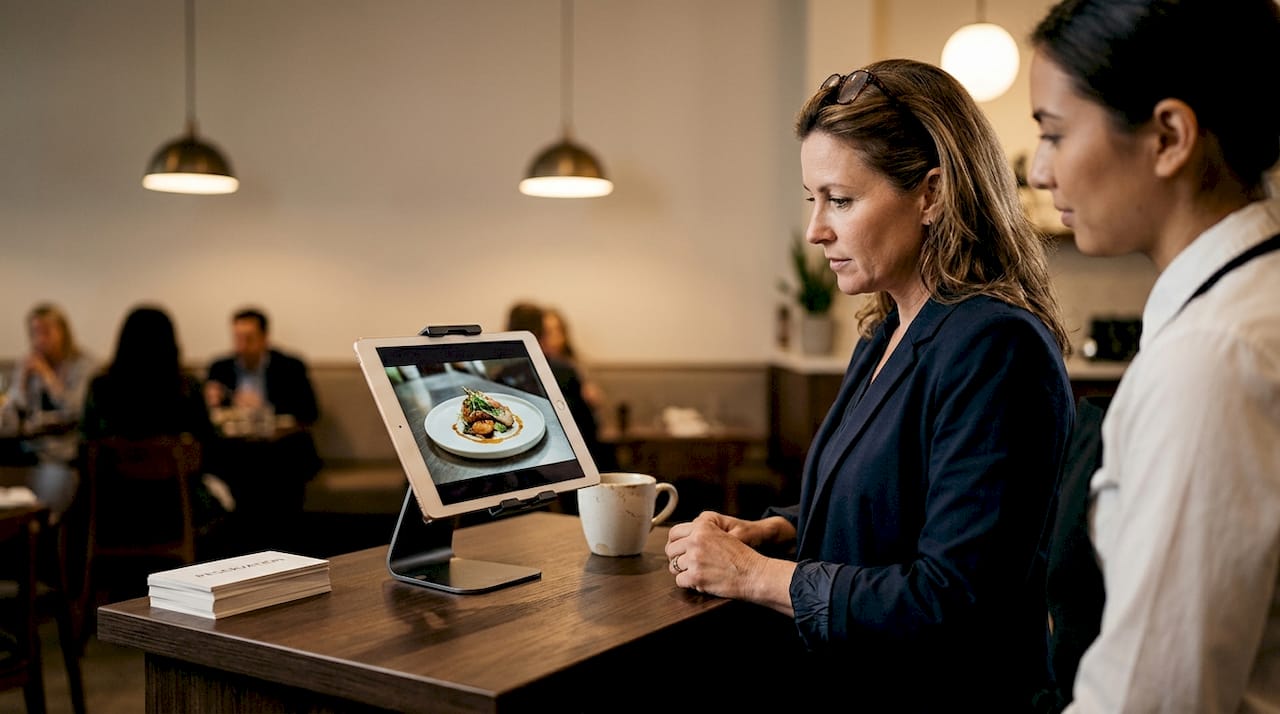
The data reinforces this at a practical level. Restaurants adopting video menus have reported double-digit increases in guest engagement metrics. Guests spend more time interacting with the menu, explore more items, and order a wider variety of dishes, including appetizers, desserts, and premium beverage pairings, that they might have otherwise skipped. The result is a richer, more satisfying experience for the guest and a healthier bottom line for the operator.
Here’s why video menus specifically drive those results:
Appetite stimulation: Motion and color in food videos activate the same sensory pathways as the smell of food cooking, priming guests to order more.
Premium perception: Dishes presented in well-lit, professionally produced videos are perceived as higher quality, justifying premium price points.
Faster decision-making: Guests who can see exactly what they’re ordering feel more confident and decide faster, reducing table turn friction.
Reduced order hesitation: Seeing the actual portion size, plating style, and ingredients eliminates the common hesitation that comes with ordering something unfamiliar.
Natural upselling: Suggested pairings shown in video format (cocktail alongside a dish, dessert after a main) feel like a recommendation rather than a pitch.
Research into how to maximize guest engagement confirms that video content consistently outperforms static alternatives in hospitality settings, particularly for high-margin items where presentation drives perceived value.
Pro Tip: Start with your top three to five high-margin items when adding videos to your menu. A 15 to 30 second, well-lit video shot on a smartphone can outperform a professional photo if the food looks real, fresh, and genuinely appetizing. Update these videos seasonally to keep the menu feeling current and exciting.
The engagement boost isn’t theoretical. It shows up in your nightly covers, your average check, and your review scores. And it compounds over time as guests return specifically because of the experience your menu creates.
Customer experience: Clarity, accessibility, and satisfaction
Beyond revenue, the right menu videos transform your guest experience, which pays off in repeat visits and positive reviews.
One of the most underrated advantages of online menu videos is what they do for guests who might otherwise struggle with a traditional menu. Families with young children, international tourists, elderly guests, and diners with dietary restrictions all face friction when navigating a text-heavy menu in an unfamiliar setting. Video removes most of that friction instantly.
When a guest can see a dish being prepared, they immediately understand whether it aligns with their preferences, allergies, or dietary requirements, without needing to flag down a server for clarification. This isn’t a minor convenience. It’s a meaningful improvement in how welcomed and confident guests feel in your space. Research shows that digital menus improve guest experience through clearer, more accessible information, reducing confusion and increasing satisfaction from the first touchpoint.
Consider the real-world scenarios where this matters most:
International travelers who don’t read English fluently can use visual cues from video to identify dishes that match their palate and culture.
Guests with allergies can more clearly see ingredients being used in preparation, enabling more informed decisions even before speaking with staff.
Families with young children benefit when kids can point to what they want after seeing it in a video, reducing ordering stress for parents and servers alike.
Older guests who may find small print or complex descriptions difficult to parse can use video to understand a dish at a glance.
Strong engagement with digital menus correlates directly with higher satisfaction scores, better online reviews, and increased likelihood of return visits. And in a market where a single one-star difference on a review platform can shift a meaningful volume of reservations, these gains are far from trivial.
Explore the full range of digital eMenu features to understand how these tools can be configured specifically to meet the accessibility needs of your guest demographic.
Pro Tip: When producing your menu videos, add subtitles or closed captions, even if they’re just the dish name and key ingredients. This single addition makes your menu dramatically more inclusive for guests with hearing impairments, non-native speakers, and anyone watching in a noisy environment without sound. It takes minutes to add but signals a level of thoughtfulness guests genuinely notice and remember.
The payoff is simple. When guests feel understood and confident, they order more freely, leave more generous tips, and return more often. Clarity isn’t just a service nicety. It’s a revenue strategy.
Streamlining ordering and operations with online menu videos
Improving the guest experience is great, but the right tools can also make life easier for your team and operations.
The operational benefits of menu videos are frequently overlooked in favor of the more obvious guest-facing wins. But for restaurant managers and owners running tight shifts with lean teams, the efficiency gains are just as compelling. When guests arrive at the table already informed by rich video content, they ask fewer questions, place more accurate orders, and require less hand-holding throughout the meal.
Research into digitizing restaurant operations consistently finds that when menus provide clear, complete information, error rates drop and service speed improves. Your servers can shift from answering repetitive descriptive questions to delivering genuine hospitality, building rapport and driving upsells through personal connection rather than recitation.
The digital menu solutions available today make implementation more manageable than most operators expect. Here’s a practical roadmap to get started:
Audit your current menu. Identify your five to ten highest-margin or most-ordered items. These are your priority candidates for video content.
Produce short, high-quality videos. Aim for 15 to 45 seconds per item. Focus on plating, texture, and the sensory details that make each dish compelling. Natural light and a steady hand go a long way.
Upload and organize within your digital menu platform. Attach each video to the relevant menu item so it plays automatically or on tap when guests browse.
Train your staff once, simply. Brief your team on how to direct guests to use the video menu, and let the technology do the descriptive heavy lifting from there.
Collect feedback and iterate. Use built-in guest feedback tools to track which items generate the most engagement and refine your video content accordingly over time.
Staff training cycles shorten noticeably when the menu itself educates both guests and new team members. A new hire watching your menu videos as part of onboarding gains an intuitive, visual understanding of every dish far faster than memorizing a printed descriptions sheet. The menu becomes a living training asset, not just an ordering tool.
The cumulative effect across a busy service period is striking. Fewer misorders, shorter decision times, more accurate preparation requests, and servers who spend their energy on connection rather than clarification. For high-volume restaurants and bars, this translates directly into faster table turns and higher revenue per shift.
Our take: What most restaurant owners miss about menu videos
Here’s the real reason menu videos can deliver standout results in a crowded market, and it’s not the reason most operators think.
Most restaurant owners who invest in video menus treat them as a one-time technology upgrade, similar to installing a new POS system or repainting the dining room. They produce a set of videos, upload them, and consider the project done. This approach leaves most of the long-term value on the table.
The restaurants and bars that see enduring, compounding gains from video menus treat them as living, strategic assets. They update videos seasonally to reflect menu changes and peak ingredient availability. They produce targeted short clips specifically for new launches or limited-time specials. They analyze which videos generate the highest dwell time and order conversion, and they iterate based on that data. In other words, they manage their menu videos the way a smart marketer manages a content strategy.
There is also a personalization gap that conventional thinking misses almost entirely. A generic, template-style video that looks like every other restaurant’s content does very little to differentiate your brand. What actually moves the needle is content that feels unmistakably yours, whether that’s your chef’s hands in the frame, your restaurant’s unique atmosphere reflected in the lighting, or the story behind a signature dish told in 20 compelling seconds. Guests don’t just respond to beautiful food. They respond to authenticity and personality.
Investing in strategic menu design thinking, including how video content is layered into the broader menu architecture, is what separates operators who see a modest lift from those who see a genuine transformation. Video menus are not a gimmick. When used with intention, they anchor the entire customer journey, from the first impression at the table through to the final decision to return.
The operators who understand this earliest will build the most resilient advantage. Because once guests experience the clarity and excitement of a well-executed video menu, a static page feels like a step backward.
Ready to upgrade your menu? Explore digital menu video solutions
If what you’ve read here resonates, the next step is simpler than you might think.
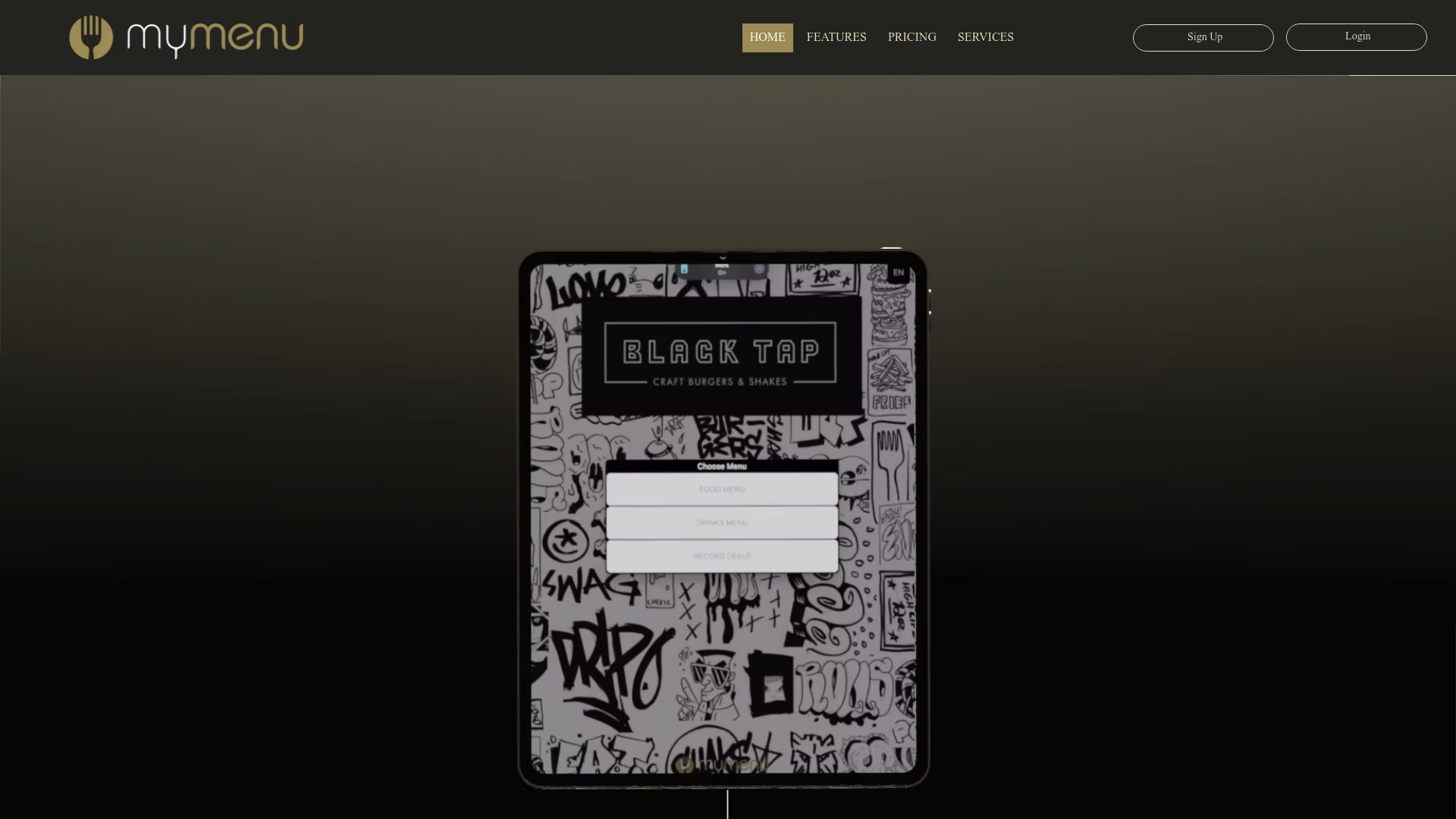
MyDigiMenu.com gives restaurants, bars, cafes, and hotels the tools to bring their menus to life with rich video content, contactless ordering, and a platform built specifically for the hospitality industry. Whether you want to deploy a digital tablet menu that wows guests the moment they sit down, or create a seamless QR menu generator experience guests can access on any smartphone, MyDigiMenu.com supports both without requiring an app download. Features like multilingual support, built-in analytics, loyalty programs, and POS integration mean your video menu isn’t just beautiful. It’s a fully connected, revenue-driving system designed to grow with your business.
Frequently asked questions
Are online menu videos difficult to set up for small restaurants?
Most platforms, including MyDigiMenu.com, make it straightforward to upload, customize, and publish video menus with minimal technical experience required. Many operators are fully live within a single afternoon.
Do menu videos really increase guest spending?
Yes. Research confirms that visual content boosts upselling and order value by stimulating appetite and building confidence in purchasing decisions, particularly for high-margin items.
How do online menu videos help with accessibility?
Video menus allow every guest, including international visitors, seniors, and those with dietary concerns, to understand menu options at a glance, as confirmed by digital menu accessibility research showing clearer, more inclusive information delivery.
Will menu videos work on both tablets and smartphones?
Yes. Modern digital menu systems are fully optimized for all devices, so your guests get the same rich, engaging video experience whether they’re on a restaurant tablet or their own smartphone.
Recommended
Comments