
Optimize your restaurant reservation workflow in 2026


Restaurant owners lose thousands annually from preventable reservation mishaps. No-shows, double bookings, and overbookings drain revenue while frustrating guests and staff alike. The solution lies in optimizing your reservation management workflow with modern tools and strategic processes. This guide walks you through practical steps to transform chaotic reservation systems into streamlined operations that boost efficiency, reduce errors, and increase profitability. You’ll discover how real-time availability, database consistency, and AI-powered automation can revolutionize your reservation workflow and protect your bottom line.
Table of Contents
Key takeaways
Point | Details |
Real-time availability systems | Implementing dynamic table tracking reduces no-show rates by up to 15% while keeping guests informed. |
Relational database consistency | MySQL or PostgreSQL prevents double bookings through transactional integrity and data accuracy. |
AI-powered automation | Custom AI models analyze patterns to predict no-shows and can recover over $90,000 annually. |
Overbooking prevention | Avoiding overbooking protects guest experience and prevents damaging negative online reviews. |
Workflow optimization ROI | Digital reservation tools deliver 40%+ booking increases and reduce no-shows to under 8%. |
Understanding the reservation workflow challenges and preparing for optimization
Restaurants face a perfect storm of reservation workflow challenges that silently erode profits. No-shows leave tables empty during peak hours. Double bookings create embarrassing confrontations at the host stand. Overbookings force you to turn away confirmed guests, damaging your reputation. Manual reservation systems compound these issues, introducing human error at every touchpoint from phone calls to handwritten logs.
The financial impact is staggering. Restaurants lose an average of $10,000 to $15,000 annually from no-shows, double bookings, and turned-away customers due to poor reservation management. For a 50-table restaurant, that represents significant lost opportunity. Manual processes increase risk exponentially because staff juggle phone calls, walk-ins, and online bookings across disconnected systems. One missed note or miscommunication cascades into customer dissatisfaction and negative reviews.
Before implementing optimization, gather essential prerequisites. You need accurate table data including capacity, configuration options, and turnover times for different meal periods. Historical reservation data reveals patterns in booking volume, peak times, and no-show rates by day and season. Clear policies on deposits, confirmation requirements, and cancellation windows provide the framework for your optimized system.
Database consistency forms the foundation of reliable reservation management. Your system must prevent booking conflicts through proper data structure and validation rules. Consider these critical preparation steps:
Audit current table inventory and seating configurations
Analyze six months of reservation history for patterns
Document existing policies and identify gaps
Evaluate current technology stack and integration needs
Calculate baseline metrics for no-shows, double bookings, and revenue per table
Pro Tip: Start tracking your current no-show rate and average revenue loss per empty table before implementing changes so you can measure improvement accurately and demonstrate ROI to stakeholders.
Executing an optimized reservation management workflow
Building an optimized workflow requires strategic implementation of technology and process improvements. Real-time table availability forms the cornerstone of modern reservation systems. When guests view availability online or staff check during phone calls, they see current status updated instantly across all channels. This real-time table availability system eliminates the lag that causes double bookings and can reduce no-show rates by 15% through improved communication and confirmation.
Relational databases like MySQL or PostgreSQL provide the transactional consistency essential for preventing conflicts. These systems use ACID properties (Atomicity, Consistency, Isolation, Durability) to ensure that when two guests attempt to book the same table simultaneously, only one succeeds. NoSQL databases lack this built-in protection, making them unsuitable for reservation management despite their popularity for other applications.
Automation dramatically reduces no-shows and manual workload. Implement these proven strategies:
Send automated confirmation emails or SMS immediately after booking
Schedule reminder notifications 24 hours before reservation time
Request optional deposits for peak times or large parties
Enable easy cancellation through confirmation links to free tables quickly
Trigger waitlist notifications when cancellations create availability
AI in reservation management takes optimization further by analyzing historical patterns to predict which bookings carry higher no-show risk. Custom models consider factors like booking lead time, party size, day of week, weather forecasts, and individual guest history. The system can automatically adjust confirmation requirements or deposit requests based on calculated risk scores.
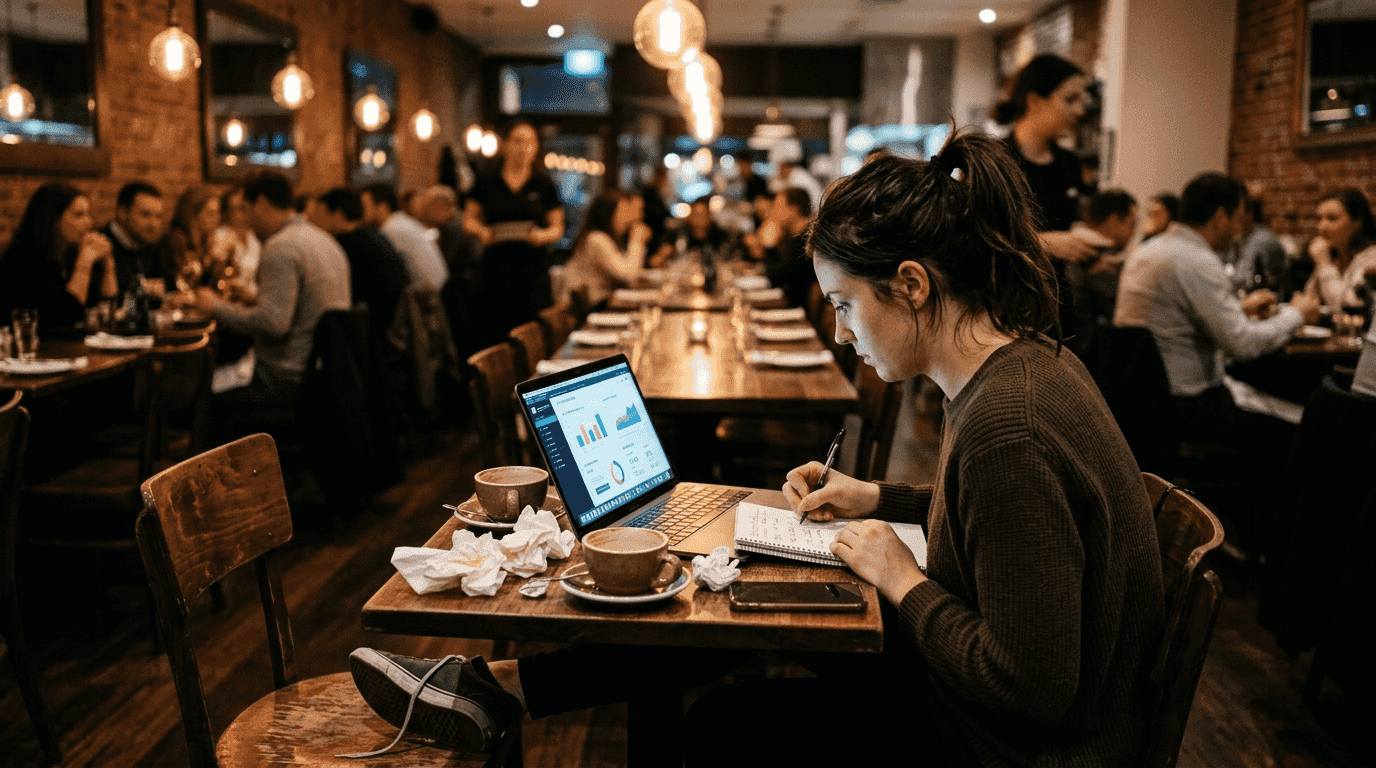
Your optimized workflow should follow this sequence for every reservation: availability check against real-time inventory, booking creation with immediate confirmation, scheduled reminder delivery, final confirmation request, and seamless seating coordination. Each step feeds data back into the system to improve future predictions and availability accuracy.
Workflow Stage | Traditional Approach | Optimized Approach | Key Benefit |
Availability Check | Manual phone/paper lookup | Real-time digital inventory | Eliminates double bookings |
Booking Confirmation | Verbal or email only | Automated multi-channel | Reduces miscommunication |
Reminder System | Manual calls if time permits | Scheduled automated messages | Cuts no-shows 15%+ |
No-show Prevention | Hope and prayer | Deposits plus AI risk scoring | Recovers $90K+ annually |
Data Analysis | Spreadsheet review monthly | Real-time dashboard metrics | Enables proactive adjustments |
Pro Tip: Configure your system to automatically release unconfirmed reservations 2 hours before the booking time during peak periods, then notify waitlist guests to fill the slot and maximize revenue per table turn.
Common mistakes, troubleshooting, and ensuring verification
Overbooking tempts restaurants seeking to compensate for expected no-shows, but this strategy backfires spectacularly. When all guests actually show up, you face an impossible situation that leads to negative experiences and poor online reviews. One viral complaint about being turned away despite a confirmed reservation can damage your reputation for months. The short-term revenue gain never justifies the long-term cost to your brand.
Overbooking creates a no-win scenario where you either disappoint confirmed guests or scramble to create seating that doesn’t exist. The resulting stress on staff and negative guest experiences make it one of the most damaging reservation mistakes you can make.
Track performance metrics religiously to identify issues before they escalate. Your system should generate reports showing no-show rates by day, time, and booking source. Monitor booking accuracy to catch double bookings immediately. Calculate revenue per available seat hour to measure whether optimization actually improves profitability. Most importantly, track guest satisfaction scores and online review sentiment as leading indicators of workflow effectiveness.
Common problems require systematic troubleshooting approaches:
Manual entry errors: Implement validation rules and require confirmation of critical fields
Technology failures: Maintain backup systems and clear protocols for system downtime
Last-minute guest changes: Build flexibility into table assignments until 15 minutes before seating
Staff training gaps: Create simple workflows and provide regular refresher training
Integration conflicts: Test third-party connections thoroughly and monitor error logs
Verify optimization success through concrete measurements rather than gut feel. Compare current metrics against your baseline data from the preparation phase. A successful implementation should show booking volume increases of 20-40%, no-show rate reductions to under 10%, and measurable revenue growth per table. Track these monthly and adjust your approach based on results.
You can validate system performance by reviewing digital reservation solution impacts from similar restaurants. Case studies provide benchmarks for realistic expectations and reveal optimization strategies that work across different restaurant types and markets. Pay special attention to implementations in restaurants matching your size, cuisine, and market demographics.
Pro Tip: Schedule quarterly reviews of your reservation workflow with input from hosts, servers, and managers to identify pain points that metrics might miss and continuously refine your processes based on frontline experience.
Expected results and benefits of an optimized reservation management workflow
Restaurants implementing optimized workflows see dramatic improvements within weeks. Booking volume typically jumps 40% or more in the first month as real-time availability and streamlined processes reduce friction for guests. The system captures reservations that would have been lost to busy phone lines or after-hours booking attempts. Online reservation options particularly drive growth by meeting modern diner expectations for digital convenience.
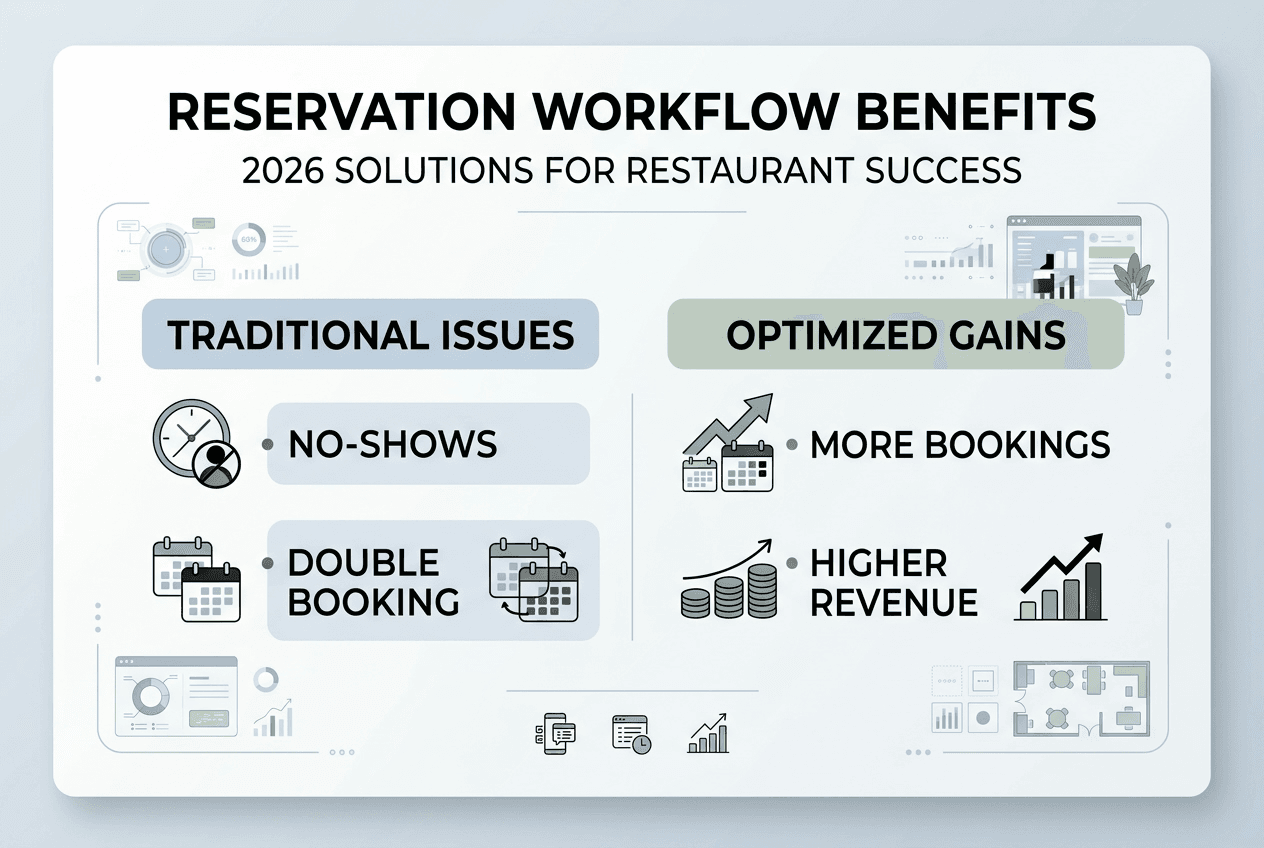
No-show rates plummet when you combine automated reminders with strategic deposit requirements. Restaurants routinely reduce no-shows to under 8% compared to industry averages of 20-30% for manual systems. Each prevented no-show during peak dining hours represents $50-150 in recovered revenue depending on average check size and party size. Over a year, this compounds into substantial profit improvement.
Revenue gains extend beyond just filling more tables. An 18% revenue increase during lunch was documented after optimizing table management through better turn times and capacity utilization. Restaurants report monthly revenue increases of $5,200 or more from reservation optimization alone. The improvements stem from maximizing every available seat hour rather than leaving revenue on the table through inefficiency.
Custom AI reservation system ROI reaches impressive levels for restaurants willing to invest in advanced technology. Custom AI can recover over $90,000 annually by reducing no-shows 15% at a 50-table restaurant through predictive analytics and dynamic confirmation strategies. The system pays for itself within months while continuing to deliver value through continuous learning and improvement.
Operational benefits matter as much as financial returns. Staff spend less time managing reservations manually and more time delivering exceptional guest experiences. Hosts handle peak rushes smoothly with clear visibility into table status and upcoming arrivals. The reduction in stressful double-booking situations and overbooking conflicts improves employee satisfaction and retention.
Metric | Traditional Workflow | Optimized Workflow | Improvement |
Monthly Bookings | 400 reservations | 560+ reservations | +40% volume |
No-show Rate | 25% average | Under 8% | 68% reduction |
Revenue per Table | $180 average | $212+ average | +18% yield |
Staff Hours on Reservations | 60 hours/month | 15 hours/month | 75% efficiency gain |
Guest Satisfaction Score | 3.8/5.0 | 4.6/5.0 | Significant improvement |
Guest experience improvements create a virtuous cycle of positive reviews, increased bookings, and higher lifetime value. When diners receive instant confirmations, timely reminders, and seamless seating experiences, they return more frequently and recommend your restaurant to friends. This organic growth compounds the direct revenue benefits of workflow optimization.
Optimize your restaurant experience with My Menu
Transforming your reservation workflow from chaos to clarity requires the right technology partner. My Menu delivers an all-in-one digital solution combining restaurant reservations app functionality with comprehensive menu management and guest engagement tools. The platform streamlines every touchpoint from initial booking through post-dining feedback collection.
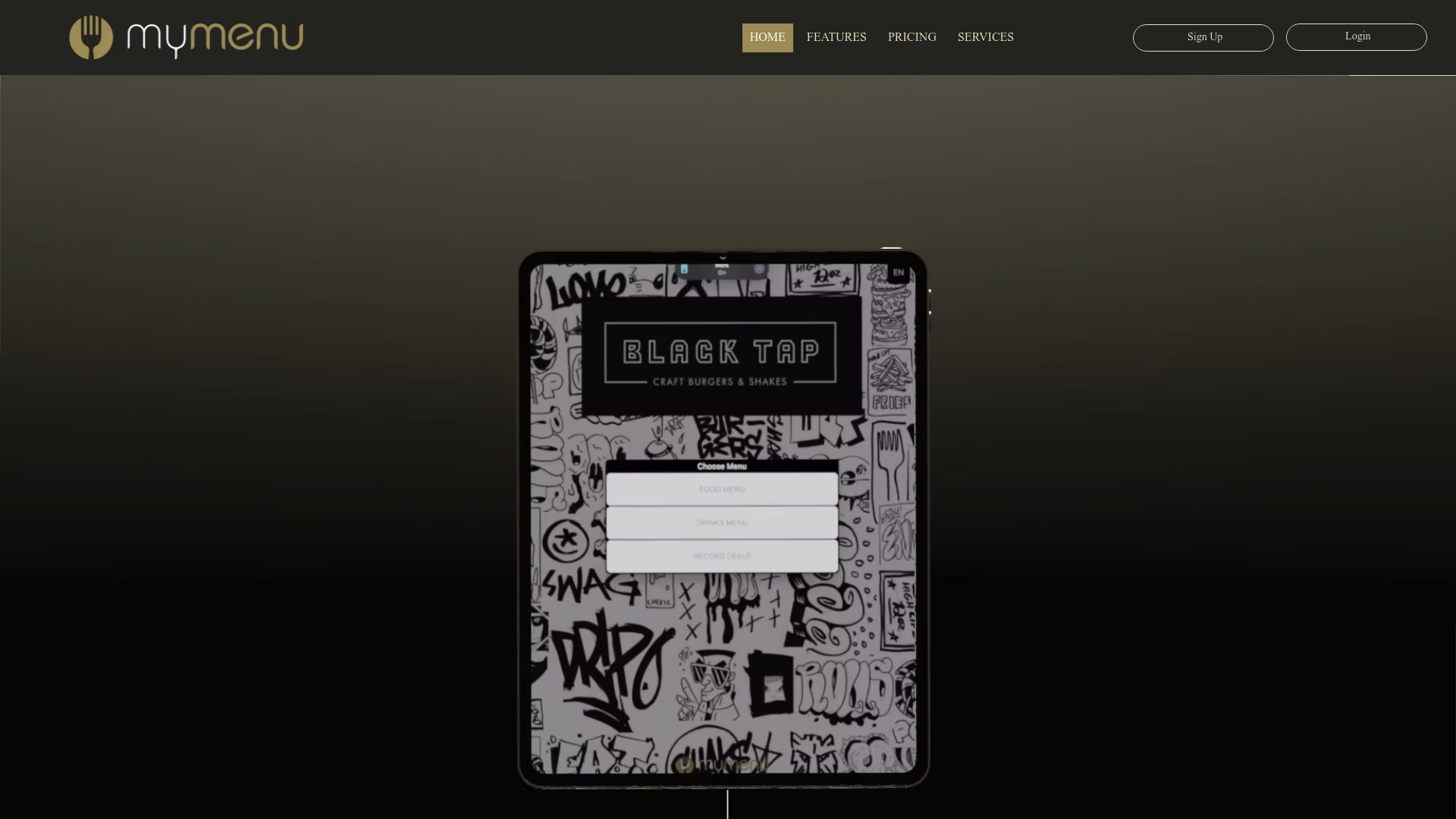
The integrated system prevents the double bookings and overbookings that plague disconnected tools. Real-time availability updates across all channels ensure accuracy whether guests book through your website, social media, or phone. Automated confirmations and reminders reduce no-shows while freeing your staff to focus on hospitality rather than administrative tasks. AI-powered insights help you predict demand patterns and optimize table allocation for maximum revenue.
My Menu scales with restaurants of all sizes through flexible plans and transparent pricing. The digital tablet menu integration creates a seamless experience from reservation through ordering and payment. Guests appreciate the modern, contactless convenience while you benefit from increased efficiency and data-driven decision making. Explore My Menu pricing plans to find the right fit for your operation and start optimizing today.
Frequently asked questions about restaurant reservation management workflows
How can I reduce no-shows without requiring deposits?
Implement automated reminder systems that send confirmations 24 hours before the reservation via email and SMS. Make cancellation easy through one-click links in confirmations so guests who can’t make it free the table quickly. Track no-show patterns and require confirmation calls only for high-risk bookings like large parties or historically problematic time slots.
Is it better to use a relational or NoSQL database for reservations?
Relational databases like MySQL or PostgreSQL are essential for reservation systems because they provide ACID transaction properties that prevent double bookings. NoSQL databases lack the built-in consistency mechanisms needed when multiple users attempt to book the same table simultaneously. The transactional integrity of relational systems is non-negotiable for accurate reservation management.
What are the risks of overbooking and how to avoid it?
Overbooking creates terrible guest experiences when confirmed diners arrive to find no available tables, leading to negative reviews that damage your online reputation permanently. Avoid it entirely by using accurate real-time availability systems and addressing no-shows through deposits and confirmations rather than deliberately overselling capacity. The short-term revenue temptation never justifies the long-term reputational cost.
How quickly can I expect results from optimizing my reservation workflow?
Most restaurants see measurable improvements within the first month, including 20-40% booking volume increases and immediate reductions in double bookings. No-show rate improvements become apparent within 2-3 weeks as automated reminders take effect. Revenue gains compound over time as you refine processes and build historical data for better predictions.
Can AI really help with managing cancellations and no-shows?
AI analyzes patterns in booking behavior, guest history, party size, lead time, and external factors like weather to predict no-show risk with surprising accuracy. The system can automatically adjust confirmation requirements or deposit requests based on calculated risk scores. Advanced implementations recover over $90,000 annually by preventing revenue loss from no-shows through predictive interventions and dynamic policies.
Recommended
Trước đây mình từng thấy https://789clubb.mobile/ vài lần nhưng gần đây mới có thời gian ấn vào xem kỹ hơn một chút. Mình chủ yếu quan sát bố cục địa phương và cách các phần thông tin được đặt trên trang. Tổng thể khá thoáng nên việc xác định từng khu vực không bị mất nhiều thời gian, thao tác chuyển mục cũng phản hồi nhanh. Mình chưa sử dụng lâu nên muốn hỏi thêm các bác đã theo dõi thường xuyên trải nghiệm thực tế thế nào.
https://tylebongda.si/ nhìn kiểu như mấy site mình từng lướt trước đây nhưng bớt rối hơn hẳn, nên mình vào thử cho biết chứ không định xem kỹ.. Chỉ lướt nhanh tổng thể nên chưa tìm hiểu sâu, nhưng ấn tượng ban đầu là bố cục khá rõ ràng, các phần được chia hợp lý nên nhìn không bị rối mắt. Nội dung hiển thị gọn gàng, dễ theo dõi, thanh menu đặt ở vị trí dễ thấy nên việc chuyển qua lại giữa các mục cũng khá nhanh. Khi truy cập bằng điện thoại, trang vẫn hoạt động ổn định, thao tác mượt. Tổng thể mang cảm giác đơn giản, dễ dùng.
Hôm nay mình đang lướt qua một vài trang mạng và thấy nhiều bàn về https://gem88.deals/ đặc biệt là về các thông tin có thể thao. Có hôm mình mở thể thao rồi chuyển qua vài nội dung khác của nền tảng, thao tác nhìn chung vẫn khá thuận mắt. Mình cũng khá quan tâm việc nền tảng kết hợp giữa bảo mật tài khoản và nhiều lựa chọn giao dịch nên lúc dùng cảm thấy yên tâm hơn. tạo cảm giác dễ tìm kiếm thông tin nên người mới cũng không mất nhiều thời gian để làm quen.
Hôm nay mình đang lướt qua một vài trang mạng và thấy nhiều bàn về https://somo.de.com/ đặc biệt là về các thông tin có thể thao. Có hôm mình mở thể thao rồi chuyển qua vài nội dung khác của nền tảng, thao tác nhìn chung vẫn khá thuận mắt. Mình cũng khá quan tâm việc nền tảng kết hợp giữa bảo mật tài khoản và nhiều lựa chọn giao dịch nên lúc dùng cảm thấy yên tâm hơn. tạo cảm giác dễ tìm kiếm thông tin nên người mới cũng không mất nhiều thời gian để làm quen.
KKWIN vô tình lọt vào mắt mình lúc đang xem một video về các công cụ hỗ trợ học tập rồi đọc phần thông tin bên dưới. Mình chủ yếu quan sát bố cục địa phương và cách các phần thông tin được đặt trên trang. Tổng thể khá thoáng nên việc xác định từng khu vực không bị mất nhiều thời gian, thao tác chuyển mục cũng phản hồi nhanh. Mình chưa sử dụng lâu nên muốn hỏi thêm các bác đã theo dõi thường xuyên trải nghiệm thực tế thế nào.