
Why Provide Nutritional Information: A Food Service Guide


TL;DR:
Providing nutritional information enables customers to make informed choices and builds trust through transparency.
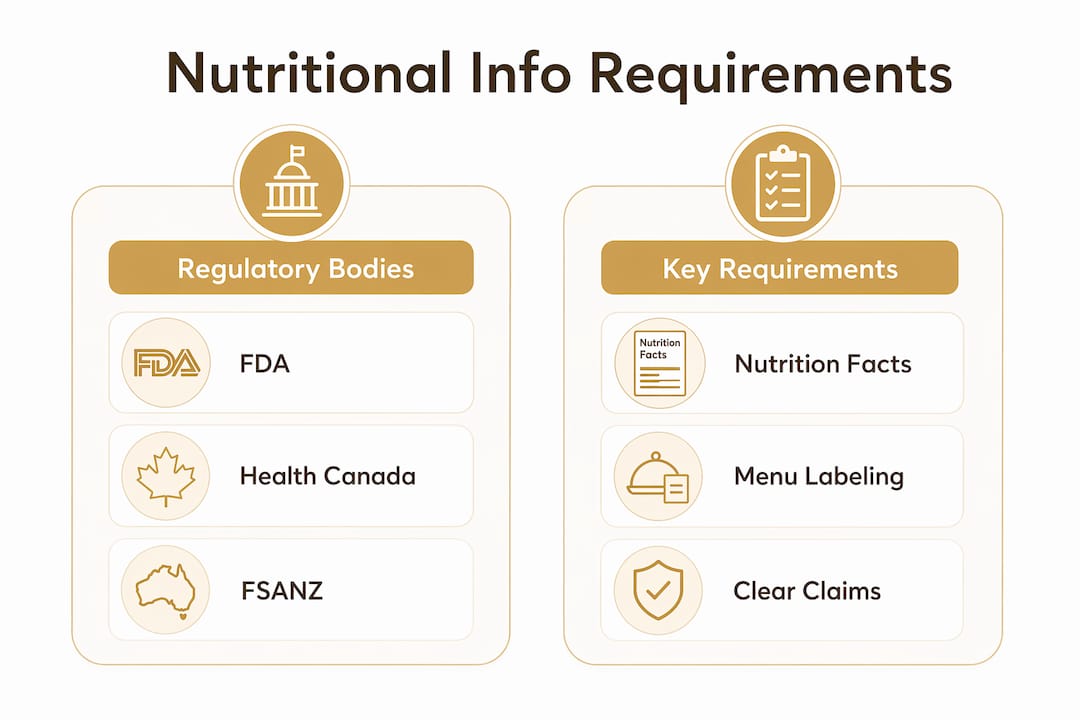
Regulatory frameworks in the US, Canada, and Australia mandate clear disclosure of key food content details to ensure consumer safety and compliance.
Providing nutritional information means disclosing key food content details, including calories, fats, sugars, sodium, and allergens, directly to customers so they can make informed choices. For food service professionals, this practice sits at the intersection of regulatory compliance, consumer trust, and business performance. The FDA Nutrition Facts panel, Nutri-Score, and traffic light labeling systems have transformed what was once a safety formality into a powerful tool for brand differentiation. Understanding why provide nutritional information matters is the first step toward turning transparency into a genuine competitive advantage.
Why provide nutritional information: the regulatory foundation
Food service operators in the United States are legally required to disclose nutritional data under frameworks that have grown steadily more demanding over the past three decades. The Nutrition Labeling and Education Act of 1990 established the baseline, mandating that packaged foods carry standardized labels covering serving size, calories, total fat, saturated fat, sodium, total carbohydrates, dietary fiber, sugars, protein, and key vitamins. The FDA updated these requirements in 2016 and again in 2021, adding added sugars and revising serving sizes to reflect how people actually eat today.
The distinction between packaged foods and restaurant menus matters here. Chain restaurants with 20 or more locations must post calorie counts on menus under the FDA’s menu labeling rule, while smaller independent operators face fewer federal mandates but still encounter state and local requirements. Health Canada enforces similar disclosure standards for Canadian operators, and the Better Health Channel in Australia outlines allergen declarations as mandatory regardless of the quantity present in a dish. Non-compliance carries real consequences: warning letters, fines, and reputational damage that no marketing budget can easily repair.
Here is a quick reference of what the FDA currently requires on standard nutrition labels:
Serving size: Reflects amounts people typically eat, not aspirational portions
Calories: Total energy per serving, prominently displayed
Total fat, saturated fat, and trans fat: Critical for cardiovascular health tracking
Sodium: Flagged because most Americans exceed daily recommended limits
Total carbohydrates, dietary fiber, and added sugars: Separated to distinguish natural from processed sugar content
Protein: Listed per serving
Vitamins D, Calcium, Iron, and Potassium: Required because deficiencies are common in the general population
Regulatory Body | Region | Key Requirement |
FDA | United States | Nutrition Facts panel; menu calorie posting for chains |
Health Canada | Canada | Mandatory Nutrition Facts table on most packaged foods |
Food Standards Australia New Zealand | Australia/NZ | Nutrition Information Panel; mandatory allergen labeling |
European Food Safety Authority | European Union | Nutrition declaration per 100g or 100ml |
Labels must also be clear and non-misleading, and any health claims require regulatory approval tied to specific nutrients. This means operators cannot simply print “heart healthy” on a menu item without meeting defined criteria.
How does nutritional info influence consumer food choices?
Consumers use nutrition labels primarily to compare products, identify allergens, and manage specific health conditions like diabetes or hypertension. Research shows that transparent labeling improves the nutritional quality of consumer choices by up to 10%. That figure represents a meaningful shift in behavior at scale, particularly for operators running high-volume dining environments.
The psychology behind this is worth understanding. When customers see calorie counts and macronutrient breakdowns, they do not automatically choose the lowest-calorie option. Instead, they recalibrate their overall meal. A diner who orders a 900-calorie entrée may skip the dessert or choose sparkling water instead of a sugary drink. The label does not dictate the choice; it informs the decision-making process.
“Providing nutritional information is like turning on the lights in a dim restaurant. Customers can finally see what they are choosing, and that visibility builds trust faster than any loyalty program.” — INSEAD Knowledge
Simplified systems like Nutri-Score and traffic light labeling take this a step further. Visual standardization reduces the mental effort required to interpret raw numbers, making it easier for customers to identify healthier options without feeling lectured. Critically, these systems do not suppress sales of indulgent items. A customer who wants the truffle pasta will still order it. The label simply gives them the context to feel good about the choice rather than guilty after the fact.
Allergen transparency carries even higher stakes. Allergen declarations are required regardless of quantity, and a single undisclosed allergen can trigger a medical emergency and a lawsuit. For operators, this is not a gray area.

Pro Tip: Display allergen information in a dedicated, visually distinct section of your menu rather than burying it in fine print. Customers with dietary restrictions notice this immediately and reward it with loyalty.
What are the common challenges in accurate nutritional labeling?
Serving size selection is the single most consequential decision in nutritional labeling, and it is where many food service operators inadvertently undermine customer trust. Unrealistic serving sizes that make a dish appear lower in calories than it actually is may pass a regulatory check but will erode credibility the moment a customer notices the discrepancy. Listing a 12-ounce steak as a 4-ounce serving to halve the calorie count is the kind of tactic that generates social media backlash, not brand loyalty.
Here are the most common pitfalls food service operators encounter when implementing nutritional labeling:
Manipulative serving sizes. Splitting a single-serve item into two portions to reduce per-serving calorie counts misleads customers and damages trust when discovered.
Outdated information. Recipes change, suppliers change, and portion sizes drift. Labels that were accurate six months ago may no longer reflect what is actually served.
Information overload. Presenting 15 data points per menu item overwhelms customers and reduces engagement with the label entirely. Prioritize the metrics your audience cares about most.
Inconsistent formats. Mixing per-serving and per-100g data on the same menu without explanation creates confusion and perceived dishonesty.
Ignoring front-of-pack signals. Detailed back-of-pack data is valuable, but most customers make decisions based on a quick visual scan. Front-of-pack color codes or summary scores drive faster, more confident choices.
The balance between detail and usability is genuinely difficult to strike. A fine dining restaurant serving a tasting menu faces different labeling challenges than a fast-casual chain with a standardized build-your-own bowl format. The nutritional data per serving approach works well for standardized items, while per-100g comparisons serve customers who are tracking macros or managing medical diets.
Pro Tip: Audit your serving sizes annually against actual portion weights. A kitchen scale check on your top 20 menu items takes less than an hour and protects you from both regulatory risk and customer distrust.
How can food service businesses implement nutritional info effectively?
The most effective implementations treat nutritional information not as a compliance checkbox but as a brand trust catalyst. Operators who display accurate, readable data consistently report stronger customer loyalty and higher repeat visit rates than those who treat labeling as an afterthought.
Digital menus give food service operators a significant advantage here. Unlike printed menus, digital formats allow real-time updates when recipes change, seasonal ingredients rotate, or supplier substitutions occur. QR code menus, tablet menus, and mobile-accessible platforms let you display nutritional details in expandable sections, so the menu stays visually clean while the data remains fully accessible to customers who want it.
Consider how the format affects engagement:
Format | Nutritional Info Visibility | Update Speed | Customer Engagement |
Printed menu | Low (small font, static) | Slow (reprint required) | Passive |
Digital tablet menu | High (expandable sections) | Immediate | Active |
QR code menu | High (mobile-optimized) | Immediate | Active |
Menu board (digital) | Medium (summary only) | Fast | Passive |
Aligning nutritional data with your marketing narrative is a move most operators overlook. If your brand positions itself around fresh, locally sourced ingredients, your nutritional labels should reflect that story. Low sodium, no artificial additives, and high fiber content are not just health metrics. They are proof points for your brand promise. Nutrition labels evolved from pure safety tools into marketing and health decision tools precisely because consumers began demanding that kind of honesty from food businesses.
Successful implementations share a few common traits. They use consistent formats across all menu items. They train front-of-house staff to answer nutritional questions confidently. And they treat label accuracy as an ongoing operational process, not a one-time project. Operators who boost guest engagement through digital menus report that nutritional transparency is one of the features guests reference most positively in feedback.
Key takeaways
Providing accurate nutritional information builds customer trust, satisfies regulatory requirements, and drives healthier choices without reducing revenue from indulgent menu items.
Point | Details |
Regulatory compliance is non-negotiable | FDA, Health Canada, and FSANZ all mandate specific disclosures; non-compliance risks fines and reputational damage. |
Labeling improves consumer choices | Transparent data improves nutritional quality of choices by up to 10% without suppressing indulgent food sales. |
Serving size accuracy is critical | Realistic serving sizes build trust; manipulative portions backfire and erode customer confidence. |
Digital menus enable real-time updates | QR and tablet menus allow immediate label updates when recipes or ingredients change. |
Simplified visuals drive faster decisions | Nutri-Score and traffic light systems reduce cognitive load and increase customer confidence in their choices. |
The case for nutritional transparency as a long-term strategy
From where I sit, the operators who treat nutritional labeling as a burden are leaving real value on the table. I have seen food service businesses spend thousands on loyalty programs and influencer campaigns while their menus still list allergen information in 6-point font at the bottom of a laminated card. That is a misalignment of priorities that customers notice, even if they cannot articulate exactly why they feel less comfortable returning.
The deeper insight is this: nutrition labels shaped what feels healthy, safe, indulgent, or guilty long before most of us were paying attention. They are not neutral documents. They carry emotional weight. An operator who understands that will design their labeling strategy to reinforce the feelings they want customers to associate with their brand, not just to satisfy a regulatory checklist.
The common misstep I see most often is treating accuracy and accessibility as separate problems. Operators invest in getting the numbers right but present them in formats that customers cannot practically use. A dense nutritional table buried three taps deep in a mobile menu is technically compliant and practically invisible. The goal is both: accurate data, presented in a format that earns attention and rewards the customer for looking.
— Abhi
How Mydigimenu makes nutritional transparency effortless
Mydigimenu is built for exactly this challenge. The platform’s digital tablet and iPad menu system lets restaurants, cafes, and hotels display detailed nutritional information in expandable, visually clean sections that customers can access without interrupting the browsing experience. When a recipe changes or a seasonal ingredient rotates out, updates go live instantly across every device, so your labels are always accurate and always compliant.
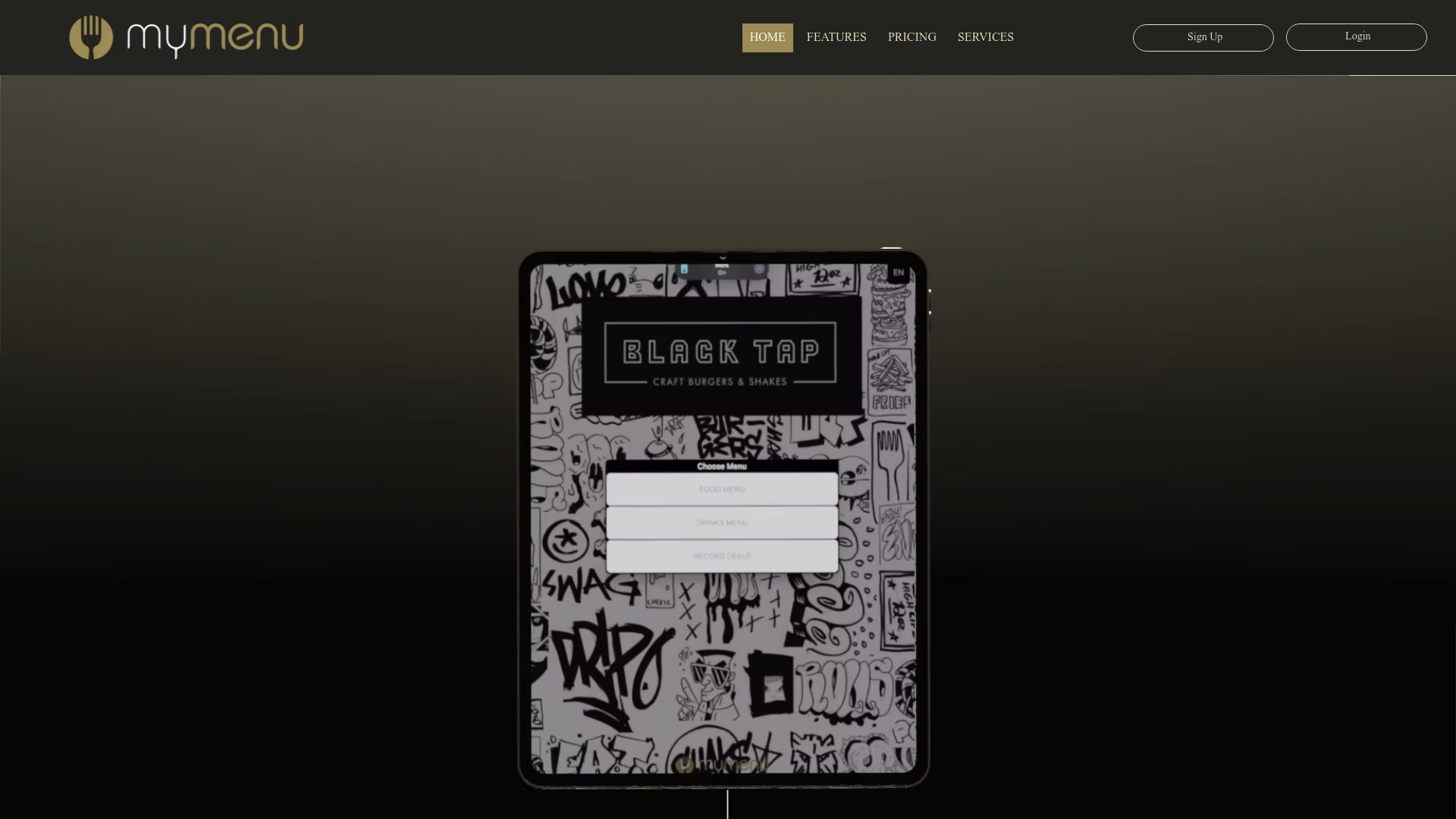
The QR code menu feature takes this further by putting nutritional data directly on a customer’s own phone, in their preferred language, with no app download required. For operators managing multilingual dining rooms or international guest profiles, this is the kind of detail that transforms a routine meal into a memorable experience. Mydigimenu turns the mundane task of label compliance into a guest engagement opportunity that builds loyalty with every visit.
FAQ
Why is nutritional information required on food labels?
Nutritional information is required under laws like the 1990 Nutrition Labeling and Education Act and FDA updates in 2016 and 2021, which mandate disclosure of calories, fats, sodium, sugars, and key vitamins. These requirements protect consumers and give them the data needed to make informed dietary choices.
Does displaying nutritional info hurt sales of indulgent menu items?
No. Research shows that simplified labeling systems like Nutri-Score improve the nutritional quality of choices by up to 10% without reducing sales of indulgent foods. Customers who want a rich dish will still order it; the label simply gives them context.
What is the difference between Nutri-Score and traffic light labeling?
Nutri-Score assigns a single letter grade from A to E based on overall nutritional quality, while traffic light labeling uses red, amber, and green color codes for individual nutrients like fat, sugar, and salt. Both systems reduce the mental effort required to interpret raw nutritional data.
How often should restaurant nutritional information be updated?
Nutritional data should be reviewed and updated whenever a recipe changes, a supplier substitution occurs, or portion sizes shift. Digital menu platforms like Mydigimenu allow real-time updates, making it practical to keep labels accurate without reprinting physical menus.
Are allergen declarations mandatory for all food service operators?
Yes. Allergen declarations are required regardless of the quantity of allergen present in a dish, according to standards set by bodies including the FDA, Health Canada, and Food Standards Australia New Zealand. Failure to disclose known allergens creates both legal liability and serious safety risk.
Recommended
Comments