
10 restaurant reservation best practices for smoother ops

TL;DR:
Implement clear reservation policies to set guest expectations and reduce operational issues.
Use technology to automate bookings, minimize errors, and improve guest communication.
Proactively manage no-shows with confirmation messages, deposits, and personalized follow-ups.
A Saturday night at full capacity. Two parties show up for the same table at 7:30 PM. One group drove forty minutes. The other made their reservation three weeks ago. Your host team scrambles, your kitchen falls behind, and two tables of guests leave with a story they will tell their friends — not the good kind. Reservation mismanagement costs restaurants real money and real reputation. Studies show that no-shows alone account for up to 20% of expected covers on busy nights. The good news: with the right systems and strategies in place, these scenarios become rare. This article walks you through proven reservation best practices that protect your revenue, reduce operational chaos, and turn every booking into an opportunity to impress.
Table of Contents
Key Takeaways
Point | Details |
Clear policies prevent chaos | Well-defined reservation guidelines reduce confusion and boost staff confidence. |
Tech streamlines operations | Digital reservation tools cut down on errors and improve the guest experience. |
Proactive no-show strategies | Deposits and timely communication mitigate the risks of costly no-shows. |
Personalization drives loyalty | Remembering guest details and preferences turns one-time diners into regulars. |
Define clear reservation policies
With the stakes clear, let’s start by getting your reservation policies right from the start. A strong reservation policy is the backbone of every well-run dining room. Without it, you are leaving too much to chance, and guests will always find ways to test the gaps.
Every restaurant should have a written reservation policy that guests see before they confirm their booking. This is not about being rigid — it is about setting expectations so that both sides know the rules. Your policy should address the following core elements:
Deposit requirements for large parties or high-demand time slots
Cancellation windows, such as 24 or 48 hours notice to avoid a fee
Group minimums, including when a set menu or pre-order is required
Dietary and allergy disclosures, collected at the time of booking
Late arrival tolerance, typically 10 to 15 minutes before the table is released
For special occasions or events, custom booking forms are a smart move. A guest celebrating a milestone birthday has different needs than a walk-in couple, and capturing those details early prevents last-minute surprises that derail your kitchen and floor team.
Transparency at booking time is non-negotiable. Guests who understand the terms up front are far less likely to dispute a cancellation fee or feel blindsided by a deposit request. Reviewing your online reservation policies periodically also ensures they stay relevant as your business evolves.
“Groups of 6+ often require deposits, set menus, and pre-communicated dietary needs” — Fine Dining Reservation Guide
This is industry-standard practice for a reason. Large parties carry more operational risk, and a small deposit signals genuine commitment from the guest.
Pro Tip: Create event-based policy variations for holidays, Valentine’s Day, or peak seasons. A prepaid policy during New Year’s Eve protects your revenue without alienating regular guests who understand the occasion demands it.
Leverage technology for seamless booking
Establishing policies is critical, but executing them efficiently requires the right digital tools. Manual reservation logs and paper booking sheets are relics of a slower era. Today’s guests expect instant confirmation, and your team deserves tools that eliminate double-bookings and data entry errors.
Digital reservation and table management systems do more than just store names and times. They capture guest preferences, sync with your point-of-sale, and give your host team a real-time view of the dining room. The result is a smoother service flow and fewer surprises.
When choosing a system, it helps to understand the three main deposit models:
System type | Best for | No-show impact | Guest friction |
Prepaid (e.g., Tock) | Tasting menus, high-demand slots | Very low | Higher |
Credit card hold | À la carte, mid-range | Low to moderate | Moderate |
No deposit | Casual concepts, off-peak | Higher | Very low |
As the Fine Dining Reservation Guide notes, prepaid models work best for high-commitment tasting menus, while credit card holds suit à la carte dining and no-deposit setups fit casual concepts. Matching your model to your concept is key.
Here is a practical roadmap for adopting or upgrading your reservation tech:
Audit your current workflow to identify where errors and delays occur most often.
Select a platform that integrates with your existing POS and CRM tools.
Set up automated confirmations and pre-arrival reminders via email or SMS.
Enable guest profile capture so preferences and visit history are stored automatically.
Train your team on the system before going live, not during a Friday dinner rush.
Streamlining your reservation workflow automation reduces the cognitive load on your staff and gives guests a polished, professional booking experience from the very first click.
Pro Tip: Enable automatic SMS reminders 24 and 48 hours before a reservation. This single feature alone can cut no-show rates significantly while requiring zero manual effort from your team.
Tackle no-shows and cancellations proactively
Even with seamless tech, no-shows can disrupt your night’s success. Here’s how to get ahead of them. No-shows are not just an inconvenience — they represent lost revenue, wasted prep, and demoralized staff who set a table that never got used.
The most effective tactics combine firm policies with warm communication. Consider these proven approaches:
Send confirmation messages immediately after booking with a clear summary of the reservation terms
Follow up with a reminder 48 hours before the reservation, including a one-click cancellation option
For large groups, require a deposit or credit card hold to secure the booking
Define a cancellation window (24 to 48 hours) after which a partial fee applies
Use waitlist tools to fill cancellations quickly and minimize revenue loss
Here is a quick comparison of enforcement methods and their trade-offs:
Method | No-show reduction | Guest friction | Revenue protection |
Prepaid deposit | Very high | High | Very high |
Credit card hold | High | Moderate | High |
Reminder only | Moderate | Very low | Low |
Cancellation fee policy | Moderate to high | Moderate | Moderate |
As the Fine Dining Reservation Guide acknowledges, higher protection measures reduce no-shows but can also deter some bookings. The goal is finding the right balance for your concept and clientele.
Building out your guest experience features to include smart communication tools makes this balance much easier to strike. Guests who feel informed and respected are far more likely to honor their reservation or cancel with enough notice.
Pro Tip: For first-time no-show offenders, consider waiving the fee with a personal note. The goodwill you generate often converts a one-time mistake into a loyal, long-term guest.
Personalize the guest experience at every touchpoint
Once operational headaches are under control, focus shifts to delighting each guest at every reservation stage. The reservation process is not just an administrative task — it is your first real conversation with the guest, and it sets the tone for everything that follows.
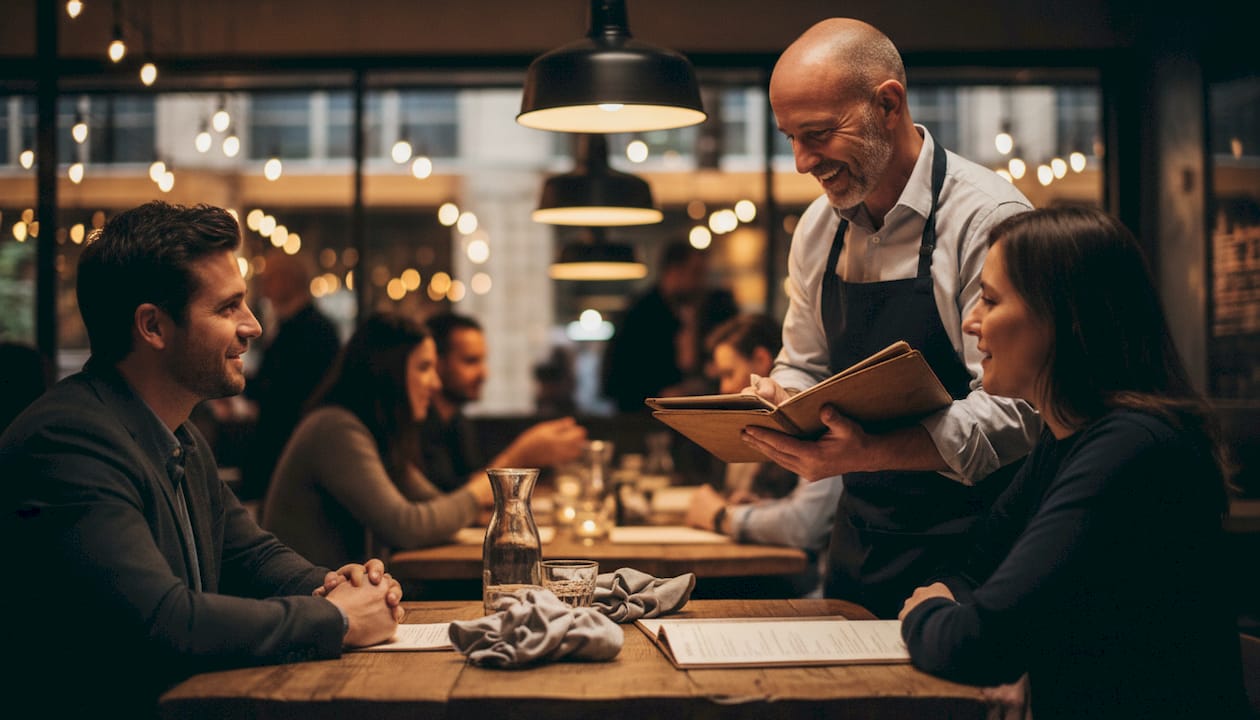
Capturing guest preferences at booking time transforms a generic meal into a memorable experience. Ask about dietary restrictions, seating preferences, special occasions, and even favorite dishes if your system allows it. This data becomes gold for your floor team and kitchen.
Here are the key moments to add a personal touch throughout the reservation journey:
At booking: Collect occasion details, dietary needs, and seating preferences through your reservation form
Confirmation message: Reference the occasion by name (“We look forward to celebrating your anniversary with you”)
Pre-arrival: Send a personalized welcome note or menu preview for special events
During service: Brief your team on VIP guests, dietary needs, and preferences before service begins
Post-visit follow-up: Send a thank-you message and invite feedback within 24 hours
70% of guests are more likely to return after a personalized dining experience, according to hospitality research.
Personalization technology does the heavy lifting here. When your reservation system captures and surfaces guest history automatically, your team can focus on delivering the warm, attentive service that earns five-star reviews. Communicating allergies at booking for groups or special requests ensures seamless service and prevents costly mistakes.
Investing in digital guest engagement tools that connect reservation data to your broader guest profile creates a flywheel effect. Each visit adds more context, making every future interaction feel more personal and intentional.
Staff training is the final piece. Technology can surface the data, but your team must know how to use it. A server who greets a returning guest by name and remembers their preference for a corner table turns the mundane into the magical.
Why true reservation excellence means balancing profit and hospitality
Ultimately, beyond tactics and software, there is an art to getting reservations right. The most effective reservation strategies are not the strictest ones — they are the most human ones.
Rigid policies protect your bottom line, and they absolutely should. But hospitality thrives on empathy. Consider this: a loyal regular who has dined with you thirty times misses a cancellation window during a family emergency. Charging the fee is technically correct. Waiving it with a genuine note is what builds a guest for life. That kind of discretion, extended thoughtfully, pays dividends that no policy document can capture.
Over-reliance on automation or an excess of rules can quietly erode the lifetime value of your best customers. Guests notice when a venue feels more like a transaction than a relationship. Empowering your staff with some discretion — the authority to make a judgment call in the moment — is one of the most underrated tools in hospitality management.
Exploring deeper reservation strategy insights can help you build frameworks that are firm enough to protect revenue and flexible enough to honor the spirit of great hospitality. The best managers we have seen do not just run tight operations — they inspire their teams to treat every guest as if the whole restaurant exists just for them.
Level up your reservation management with digital innovation
Ready to put these best practices into action? Here’s how modern tools make it easy. Managing reservations manually is like navigating a busy dining room in the dark — it works until it doesn’t, and the cost of failure is always higher than expected.
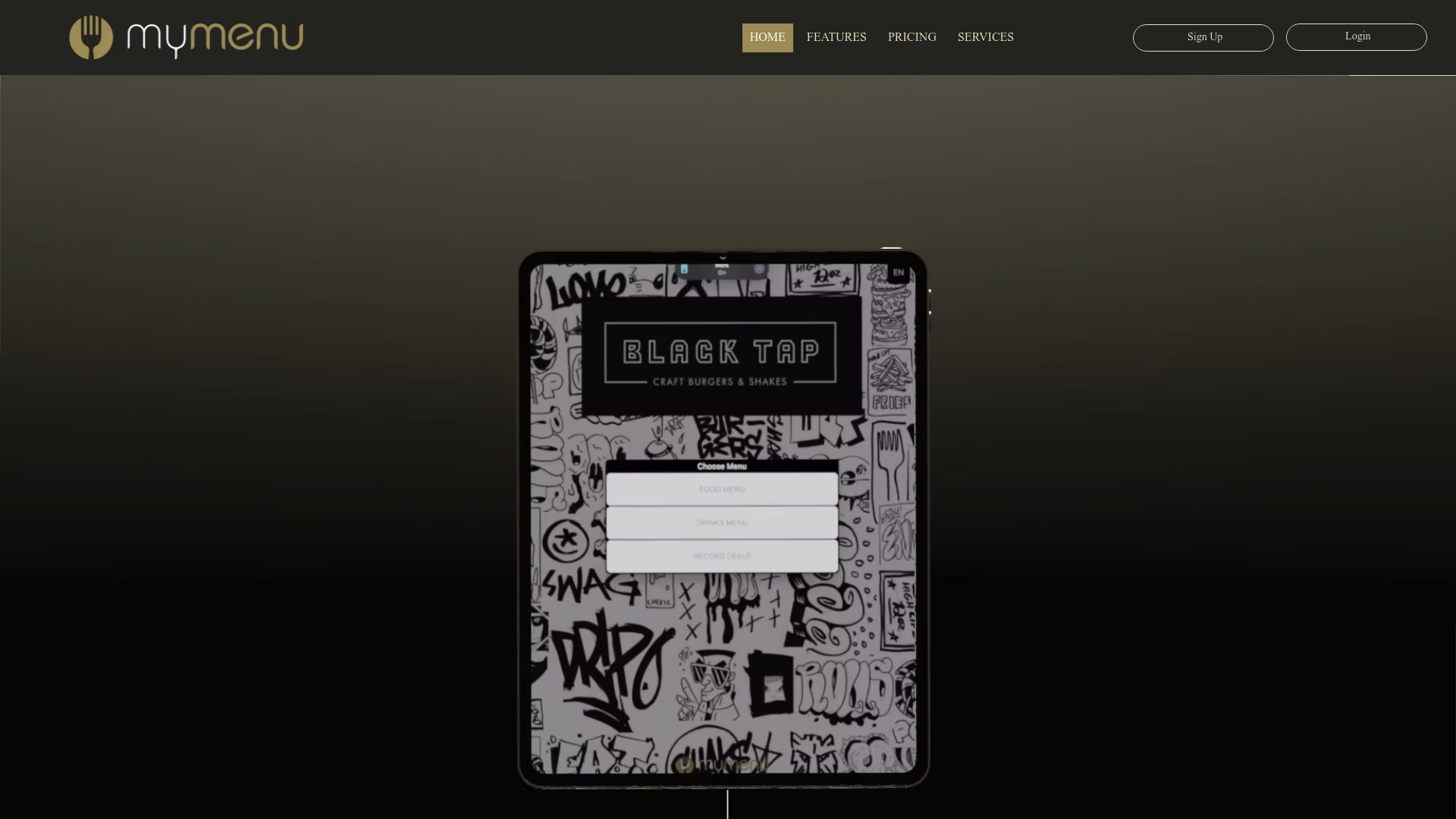
MyDigiMenu.com empowers restaurants and hotels to automate reservations, centralize guest data, and deliver seamless digital experiences from booking to bill. Whether you are exploring restaurant digital menus, upgrading to intuitive QR code menu tools, or reviewing digital menu pricing to find the right plan for your property, the platform makes the transition from manual to modern feel effortless. A dash of digital truly can turn everyday service into extraordinary memories. Book a demo today and see how your reservation workflow can become your strongest competitive advantage.
Frequently asked questions
What is the best way to prevent restaurant no-shows?
Using prepaid reservations or CC holds for popular times or large parties is the most effective way to deter no-shows. Pairing these with automated reminders 24 to 48 hours before the booking amplifies the impact significantly.
How do you handle large group reservations efficiently?
Require a deposit, use custom group reservation forms, and collect dietary needs up front for parties of six or more. This reduces last-minute surprises and helps your kitchen and floor team prepare with confidence.
Should restaurants use online reservation systems?
Online systems automate bookings, reduce manual errors, and enhance guest experience with built-in communication and data capture tools. For any restaurant managing more than a handful of covers per service, the efficiency gains far outweigh the setup investment.
What information should be collected at reservation time?
Collect guest contact details, party size, special occasions, and dietary restrictions at booking whenever possible. This data powers personalized service and prevents costly errors during service.
Recommended
Comments