
Why Streamline Ordering Processes in Your Restaurant


TL;DR:
Optimizing order workflows significantly reduces processing time, errors, and operational costs in hospitality businesses. Modern technologies like AI-driven document extraction and digital menus enable scalable, accurate, and guest-focused ordering processes. Implementing phased automation starting with high-error channels can deliver rapid ROI and improve overall guest experience.
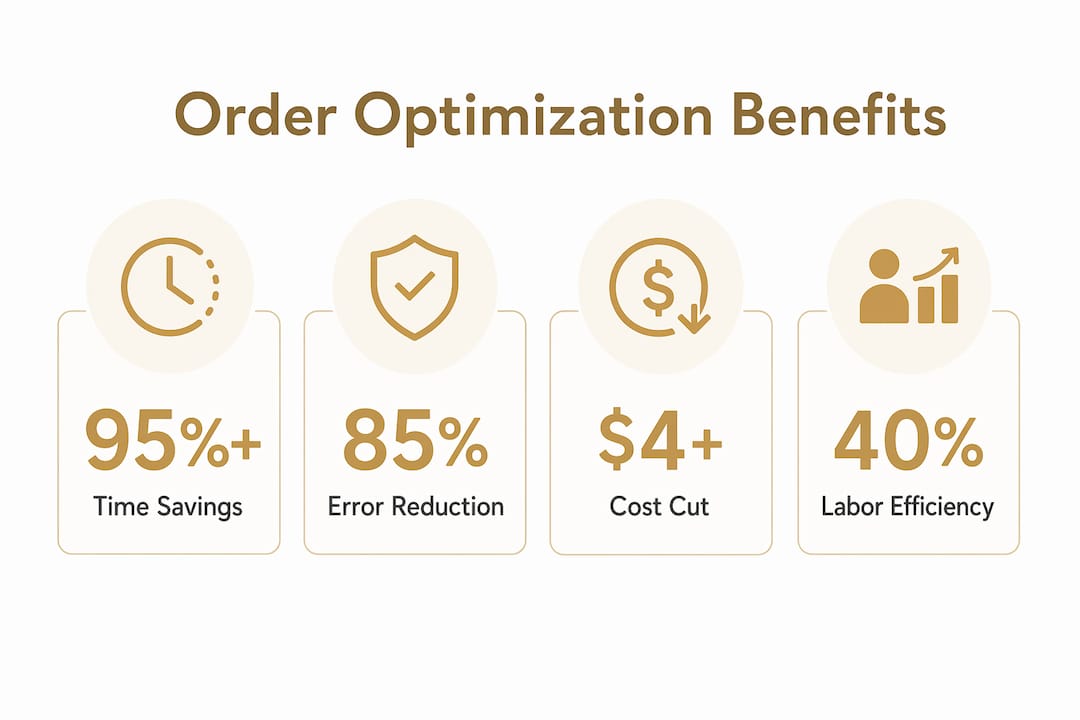
Optimizing order workflows is the single most impactful operational change a hospitality business can make in 2026. The practice of refining and automating how orders move from guest to kitchen to fulfillment, known formally as order process optimization, directly determines your speed, accuracy, and guest satisfaction scores. Automated purchase order workflows can cut processing time from 8 to 12 hours down to 15 to 30 minutes, a reduction of over 95%. That number tells you everything: the gap between a manual operation and an optimized one is not marginal. It is transformational. Technologies like AI-driven document extraction, digital menu platforms such as Mydigimenu, and cloud-based order management systems are making this shift accessible to restaurants, hotels, and cafes of every size.
Why streamline ordering processes: the core benefits
Faster order handling, fewer errors, and lower labor costs are the three pillars that make order process optimization worth every dollar invested. Each one compounds the others, and together they create a guest experience that keeps tables turning and reviews glowing.
Speed and throughput
Manual order entry absorbs hours every week, and the problem worsens as volume grows. AI-based document extraction cuts manual order processing time from 10 to 15 minutes per order down to under 30 seconds for clean orders. For a busy restaurant handling hundreds of orders per service, that reclaimed time translates directly into faster table turns and more covers served per shift.

Accuracy and financial protection
Manual order entry carries error rates of 2 to 4% per order, and those errors are expensive. A single chargeback incident can cost up to $5,000, and that figure does not account for the labor spent on rework, the food wasted on incorrect tickets, or the guest who never returns. Reducing errors is not just a quality-of-life improvement for your staff. It is a direct revenue protection strategy.
Cost savings that scale
Businesses automating order capture reduce processing costs by 60 to 80% and achieve 25% faster order-to-ship cycle times on average. For a multi-location hotel group or a high-volume restaurant, that cost curve becomes a genuine competitive advantage as you grow.
Faster confirmations reduce guest anxiety and increase perceived service quality
Fewer errors mean less food waste and fewer comped meals
Automated workflows free front-of-house staff to focus on hospitality, not data entry
Scalable systems handle peak periods without requiring proportional headcount increases
Pro Tip: Track your current average order processing time and error rate for two weeks before adopting any new tool. That baseline data will make your ROI case undeniable when you present results to ownership or investors.
How do modern technologies optimize ordering in hospitality?
The global market for automated order management software reached nearly $1.66 billion in 2025, reflecting how broadly the hospitality and retail industries have already committed to this shift. The technology stack driving this change is more accessible than most operators realize.
AI-powered document extraction
Traditional template-based systems break every time a supplier changes their invoice format. AI-based order automation reads documents contextually, handling PDFs, emails, faxes, and portal exports without brittle template maintenance. This means your kitchen supply orders, beverage deliveries, and linen invoices all flow into a single dashboard without a staff member manually keying a single line item.
Digital menus and direct guest ordering
Digital menu platforms like Mydigimenu place the ordering interface directly in the guest’s hands via QR code or tablet. Guests browse mouthwatering food photography, select items, and submit orders that flow straight to the kitchen display system. This removes the telephone-game risk of a server mishearing or miswriting an order, and it gives guests the confidence of seeing exactly what they ordered confirmed on screen. Platforms like Mydigimenu also support menu digitization that reduces order cycle times while showcasing dishes in their best light.
Real-time inventory and order tracking
When your ordering system connects to your inventory in real time, you stop selling items you cannot fulfill. Order chaos in multi-channel environments leads to fragmented data, stockouts, overselling, and damaged guest retention. A unified dashboard that shows live inventory levels alongside incoming orders prevents that chaos before it starts.
Multi-format order processing handles emails, PDFs, EDI files, and web portals in one pipeline
Exception management flags anomalies automatically rather than burying them in a spreadsheet
POS integration connects front-of-house orders to back-of-house prep and procurement in real time
Cloud-based systems allow managers to monitor order flow remotely across multiple locations
Pro Tip: When evaluating digital ordering tools, prioritize platforms that integrate natively with your existing POS system. A tool that requires manual export and import between systems creates a new bottleneck while solving an old one.
Manual vs. automated ordering: what actually changes?
The practical difference between a manual workflow and an optimized one shows up in four areas: speed, accuracy, staff workload, and scalability. Understanding these differences helps you prioritize where to act first.
Manual order entry creates hidden costs through slow processing, errors, rework, and employee fatigue. Nearly 40% of invoices contain errors that lead to costly delays. That statistic reflects a systemic problem, not individual carelessness. Manual systems degrade as volume increases because adding staff to handle more orders only compounds the cost structure.
Automated systems, by contrast, improve with volume. The cost per order drops as throughput rises, and the error rate stays flat regardless of how busy service gets. Adding staff to manual entry systems only compounds operational costs over time. Automation inverts that relationship entirely.
Metric | Manual ordering | Automated ordering |
Processing time per order | 10 to 15 minutes | Under 30 seconds |
Error rate | 2 to 4% per order | Reduced by up to 85% |
Cost per order | $6 or more | Under $2 |
Scalability | Requires proportional headcount | Scales without added labor |
Staff focus | Data entry and error correction | Guest service and hospitality |
The table above makes the operational case clearly. But the less obvious shift is cultural. When your team is not buried in manual entry, they bring more energy and attention to the guest experience. That is the kind of change that shows up in your review scores, not just your cost reports.
Pro Tip: If a full automation overhaul feels overwhelming, start with the one channel that generates the most errors or takes the most staff time. A single high-impact fix builds confidence and demonstrates value before you expand the program.
How to implement efficient ordering processes step by step
Successful automation deployments follow phased rollouts that focus on the highest-volume or most error-prone channels first. That principle applies whether you are a boutique hotel or a 200-seat restaurant.
Map your current workflow. Walk every order from the moment a guest places it to the moment it is fulfilled or invoiced. Identify where delays occur, where errors cluster, and where staff spend the most time on non-hospitality tasks. This audit is the foundation of every smart technology decision that follows.
Prioritize your highest-pain channel. For most restaurants, that is the kitchen ticket process or supplier invoice entry. For hotels, it is often the room service or banquet ordering workflow. Fixing the biggest bottleneck first delivers the fastest return and builds organizational buy-in for further changes.
Integrate a digital menu or ordering platform. Tools like Mydigimenu’s digital ordering workflow connect guest-facing menus directly to kitchen systems, removing manual transcription entirely. QR code menus require no app download from guests and can be deployed in days, not months.
Connect your ordering system to inventory. Real-time inventory visibility prevents the two most damaging guest experiences in hospitality: being told an item is unavailable after ordering, and receiving a substituted item without warning. Integration between your ordering platform and stock management closes that gap.
Train staff and monitor results. Change management is where many technology deployments stall. Dedicate structured training time, assign a point person for questions during the first 30 days, and set clear metrics to track. Review error rates, processing times, and guest satisfaction scores at 30, 60, and 90 days post-launch.
The advantages of efficient ordering compound over time. The businesses that see the greatest gains are those that treat optimization as an ongoing practice rather than a one-time project.
Pro Tip: Involve your front-of-house staff in the tool selection process. They will surface practical objections early, and their buy-in during rollout is worth more than any feature on a spec sheet.
Key takeaways
Optimizing order workflows is the highest-leverage operational investment a hospitality business can make, delivering measurable gains in speed, accuracy, cost, and guest satisfaction simultaneously.
Point | Details |
Automation cuts processing time by 95%+ | Order workflows shrink from hours to minutes, freeing staff for guest-facing work. |
Manual errors cost up to $5,000 per incident | Reducing error rates by up to 85% through automation protects revenue and brand reputation. |
Cost per order drops from $6+ to under $2 | Automated order capture reduces processing costs by 60 to 80% at scale. |
Phased rollouts deliver the fastest ROI | Start with your highest-volume or most error-prone channel before expanding automation. |
Digital menus remove transcription risk | Guest-facing ordering platforms connect directly to kitchen systems, eliminating manual entry. |
The real reason order optimization matters in hospitality
When I look at the hospitality businesses that consistently outperform their competitors, the difference rarely comes down to the quality of the food or the thread count of the linens. It comes down to how reliably and gracefully they execute the basics. Order accuracy is the most basic promise a hospitality business makes to a guest, and it is the one most frequently broken by operational friction.
What I find operators underestimate is how much manual ordering systems quietly degrade the guest experience in ways that never show up on a ticket. The server who spends three minutes hunting down a misheard order is not greeting the table that just sat down. The manager who spends Friday morning reconciling supplier invoices is not walking the floor. Streamlined ordering is increasingly a strategic customer experience driver, enabling real-time inventory visibility and reducing churn. That framing matters. This is not a back-office efficiency project. It is a guest experience investment.
My honest advice: do not wait for a perfect technology budget or a slow season to start. Map your workflow this week. Find the one step that costs the most time or generates the most errors. Fix that first. The momentum from one visible win will carry the rest of the program further than any technology roadmap ever will.
— Abhi
How Mydigimenu helps you optimize your ordering operations
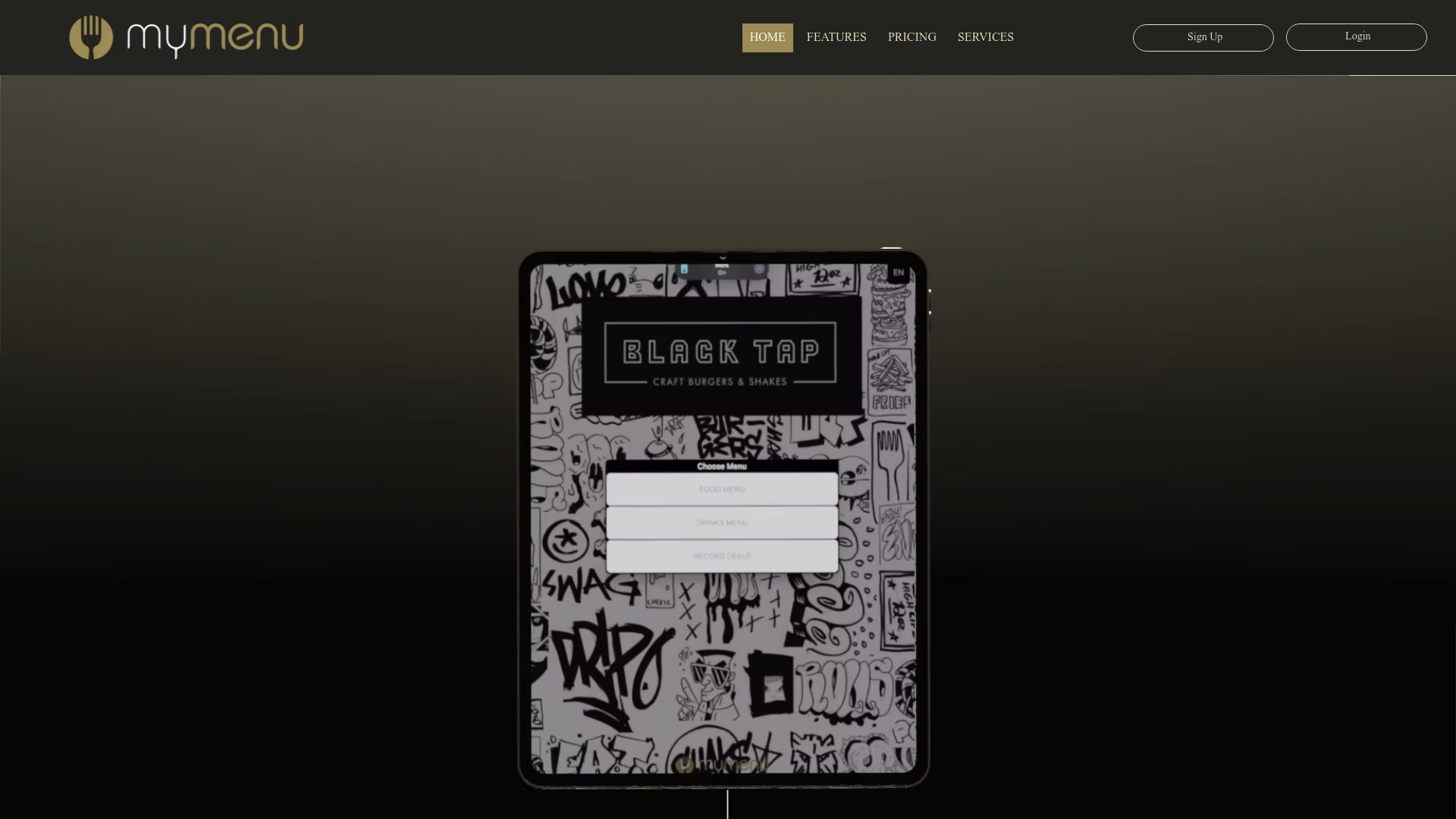
Mydigimenu is built specifically for the hospitality businesses that cannot afford operational friction. Its QR code and tablet-based digital menu platform connects guest ordering directly to kitchen systems, removing manual transcription and reducing order errors from the first service. The platform requires no app download from guests, deploys quickly, and integrates with leading POS and delivery systems. Mydigimenu also supports multilingual menus, loyalty programs, and real-time guest feedback collection, giving operators a single platform that improves both operational efficiency and the guest experience. Explore Mydigimenu’s QR menu solutions to see how quickly your operation can shift from reactive to effortlessly precise.
FAQ
Why should restaurants optimize their ordering processes?
Optimizing ordering processes reduces error rates by up to 85%, cuts per-order costs from $6 to under $2, and frees staff to focus on guest service rather than data entry. The financial and experiential returns are measurable within the first 30 days of implementation.
How long does it take to automate order workflows?
QR code and digital menu platforms like Mydigimenu can be deployed in days, while full POS and inventory integrations typically take two to four weeks depending on system complexity. Phased rollouts focusing on one high-volume channel first reduce implementation risk significantly.
What is the difference between order entry automation and order management?
Order entry automation removes manual keying before orders reach a management dashboard, while order management systems handle routing, tracking, and fulfillment after entry. Both are needed for a fully optimized workflow, but entry automation delivers the fastest error-reduction results.
How do digital menus reduce ordering errors in restaurants?
Digital menus place the ordering interface directly with the guest, sending confirmed selections straight to the kitchen display system without verbal or written transcription. This eliminates the most common source of order errors in table-service environments.
Can small hospitality businesses afford order automation?
Cloud-based digital menu platforms and AI-powered order tools are priced for businesses of all sizes, with many offering subscription models that cost less per month than a single chargeback incident. The cost of not automating, measured in errors, rework, and lost guests, consistently exceeds the cost of the tools.
Recommended
Comments